Xử lý khí thải lò hơi đốt than stands as a critical environmental challenge for many industries. Efficient management of these emissions protects our environment and public health. We present a comprehensive guide on understanding the unique characteristics of coal-fired boiler exhaust and detailing an effective, low-cost treatment process.
What is Coal-Fired Boiler Exhaust Gas?
Coal-fired industrial boilers burn fuel through complex combustion processes, producing substantial exhaust gas. This output exhibits distinct characteristics compared to emissions from fuels like wood, biomass, or FO oil.
The primary components of this exhaust include:
- Carbon Dioxide (CO2) and Carbon Monoxide (CO): These form during coal combustion.
- Nitrogen Oxides (NOx): These gases appear at high combustion temperatures.
- Sulfur Oxides (SO2, SO3): Coal contains sulfur, typically around 0.5%. Combustion yields SO2 at concentrations approximately 1,333 mg/m³.
- Smoke and Particulate Matter: Unburnt coal components, along with solid particles ranging from a few micrometers to several hundred micrometers, constitute the dust and particulate matter.
The volume of exhaust gas varies with coal type. For instance, burning 1 kg of Quảng Ninh anthracite coal generates approximately 7.5 m³/kg of exhaust gas. These characteristics necessitate specialized treatment solutions.
Xem thêm: Hệ thống Xử lý Nước thải Y tế: Giải pháp Toàn diện cho Trạm Y tế
Harmful Effects of Coal-Fired Boiler Exhaust Gas
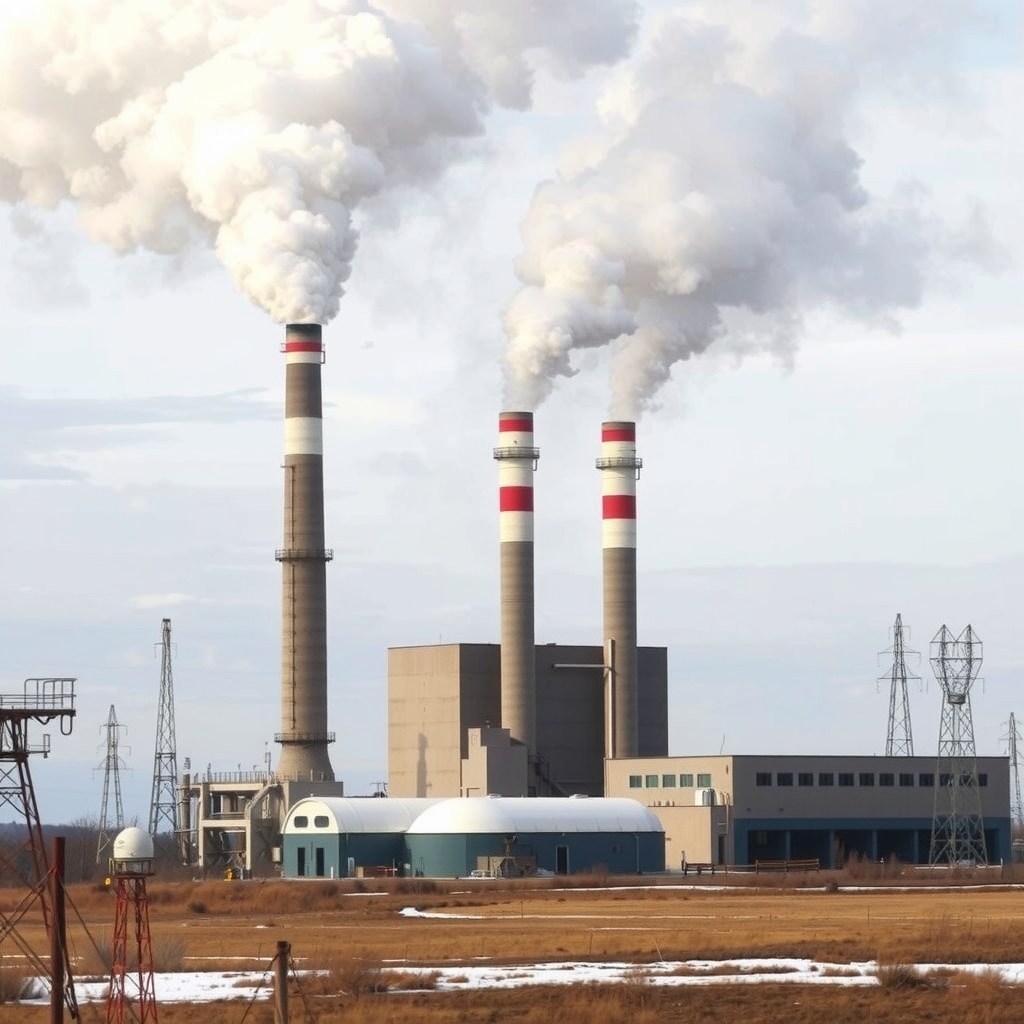
The impacts of coal-fired boiler exhaust on both the environment and human health demand attention. The substances released cause significant concerns.
SOx Gases (SO2, SO3)
SOx gases emerge from sulfur combustion within coal. These harmful gases directly impact human health, plant and animal life, and even infrastructure.
- Health Impacts: SOx irritates respiratory organs. It dissolves readily in water, causing reactions within human and animal respiratory systems. Certain concentrations induce tracheal smooth muscle spasms and protein metabolism disorders. Higher concentrations result in increased mucous secretion in the respiratory tract.
- Environmental Impacts: SO2 released into the atmosphere contributes to acid rain. Acid rain harms forests and alters water body pH, affecting aquatic ecosystems and, by extension, human well-being.
CO Gas
Carbon Monoxide (CO) is a colorless, odorless, and tasteless gas, making its presence difficult to detect. It poses a severe threat, impairing blood’s oxygen-carrying capacity and harming the nervous system due to oxygen deprivation.
- Health Impacts: Individuals with heart conditions and pregnant women face increased risks from CO exposure, experiencing difficulties in oxygen transport from blood to tissues, leading to shortness of breath and elevated heart rates. CO concentrations above 5 ppm cause headaches and dizziness. Levels from 10 ppm to 250 ppm damage the cardiovascular system, potentially leading to fatality within minutes.
Xem thêm: Xử lý khí CO2 bằng hấp thụ: Công nghệ hiệu quả giảm thiểu khí nhà kính
NOx Gases
Nitrogen Oxides (NOx) have a pungent, acrid smell and a reddish color, detectable at concentrations above 0.12 ppm. They irritate the respiratory tract, damaging lungs and the nervous system.
- Health Impacts: NOx impacts the nervous system and damages lung tissue cells, leading to sore throats and runny noses.
- Environmental Impacts: Nitrogen Dioxide (NO2) also contributes to the greenhouse effect, intensifying global warming.
Dust and Particulate Matter
Exhaust dust contains fine particles varying in size from a few micrometers to several hundred micrometers. These particles cause mechanical irritation.
- Health Impacts: Dust leads to rhinitis, allergies, and bronchitis. Ultrafine particles, such as PM2.5, penetrate organs like the liver, stomach, and lungs, triggering severe diseases.
- Environmental Impacts: Dust reduces sunlight and pollutes the environment, impacting air quality and visibility.
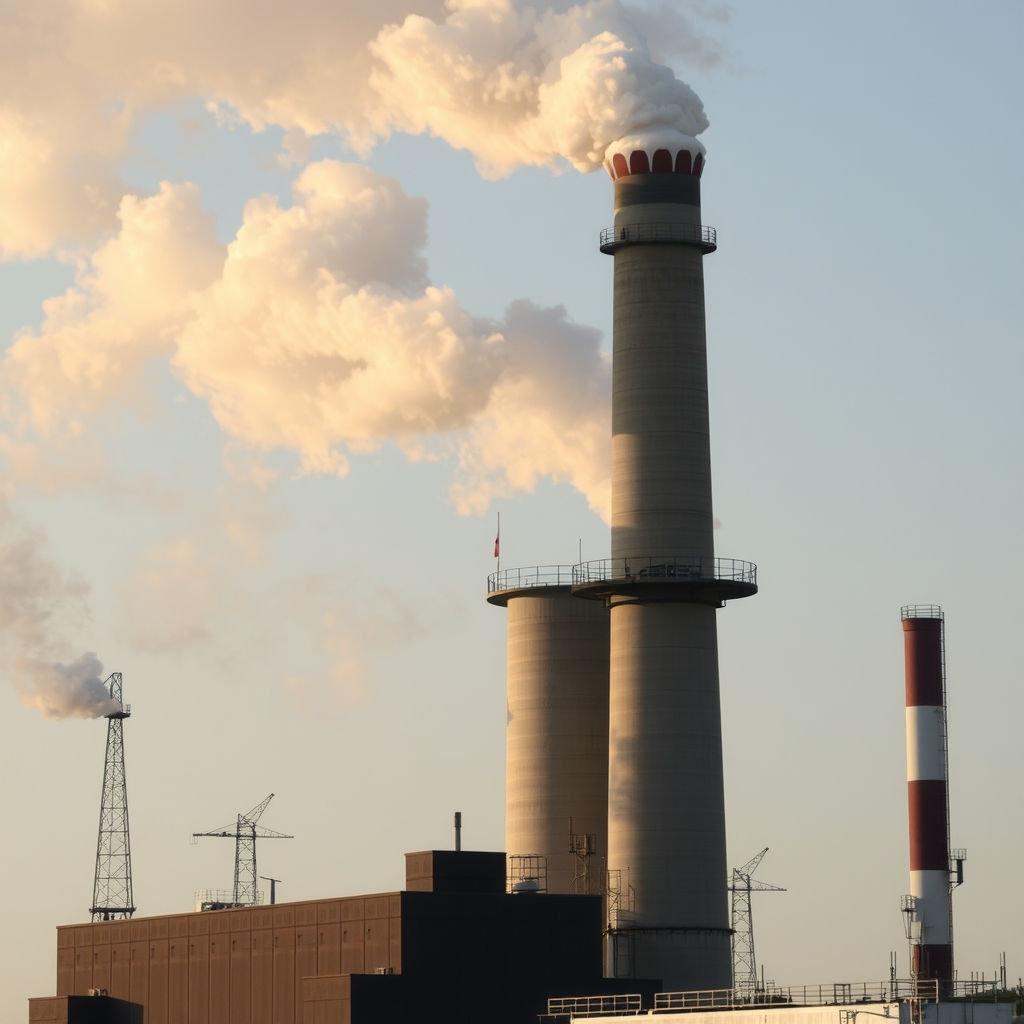
Given these severe environmental and health consequences, implementing xử lý khí thải lò hơi đốt than measures stands as an imperative. These measures ensure that emissions meet regulatory standards, safeguarding public health and the environment.
Xem thêm: Bể biogas trong xử lý nước thải là giải pháp then chốt cho môi trường.
Effective and Low-Cost Coal-Fired Boiler Exhaust Gas Treatment Process
Numerous effective methods for xử lý khí thải lò hơi đốt than exist. At Môi Trường Đông Nam Bộ, we prioritize solutions that offer both high efficiency and cost-effectiveness for businesses. The process detailed below represents a proven and economical approach.
1. Exhaust Gas Collection
The treatment process begins with collecting exhaust gas, laden with harmful gases and dust from the industrial coal-fired boiler. A network of ducts and a powerful industrial centrifugal fan draw the gas into the treatment system.
2. Exhaust Gas Cooling
The high-temperature exhaust gas first passes through a cooling tower. This step lowers the gas temperature, preparing it for subsequent treatment stages and protecting downstream equipment.
3. Dust Treatment (Cyclone Separator)
Cooled exhaust gas then enters a Cyclone separator. Within this unit, centrifugal force and inertia cause larger dust particles to collide with the Cyclone walls. Losing their kinetic energy, these particles drop to the bottom of the tower. This effectively removes significant dust from the gas stream.
4. SO2 Absorption
Following dust removal, the gas stream proceeds to an absorption tower. Here, a calcium hydroxide (Ca(OH)2) solution sprays downwards. The rising exhaust gas contacts this descending solution. Chemical reactions occur, specifically designed to remove SO2:
- SO2 + H2O → H2SO3
- H2SO3 + Ca(OH)2 → CaSO3·2H2O
- CaSO3·2H2O + 1/2O2 → CaSO4·2H2O
After this absorption process, SO2 converts into solid calcium compounds (calcium salts), which are then collected for disposal.
5. NOx Treatment (Selective Catalytic Reduction – SCR/SNCR)
For NOx treatment, methods involving catalytic reducing agents like ammonia (NH3) or vanadium pentoxide (V2O5) see widespread use. These substances facilitate the reduction of NOx concentrations in the exhaust gas, converting them into harmless nitrogen and water vapor. The choice between Selective Catalytic Reduction (SCR) or Selective Non-Catalytic Reduction (SNCR) depends on specific boiler conditions and desired efficiency.
Final Outcome
After passing through these meticulous treatment steps, the exhaust gas meets stringent regulatory standards, such as QCVN V19:2009/BTNMT. It is then safe for controlled release into the environment.
This detailed process exemplifies our commitment to xử lý khí thải lò hơi đốt than, minimizing detrimental environmental and health impacts. Applying robust treatment measures is essential to preserve our environment and comply with air quality regulations.
At Môi Trường Đông Nam Bộ, we understand that the specific requirements for xử lý khí thải lò hơi đốt than vary. Factors like emission concentration, plant scale, and total exhaust volume influence the optimal treatment approach. We offer customized industrial exhaust gas treatment solutions and install complete coal-fired boiler exhaust gas treatment systems designed for maximum effectiveness.
We provide comprehensive services for various clients, including restaurants, hotels, residential areas, industrial zones, livestock farms, and aquaculture facilities. If you need expert guidance for your operations, contact Môi Trường Đông Nam Bộ. Our team delivers swift, detailed consultations, helping you discover the most suitable and cost-efficient solution tailored to your specific needs.
For more information, visit us at https://moitruongdongnambo.com/.
Để lại một bình luận