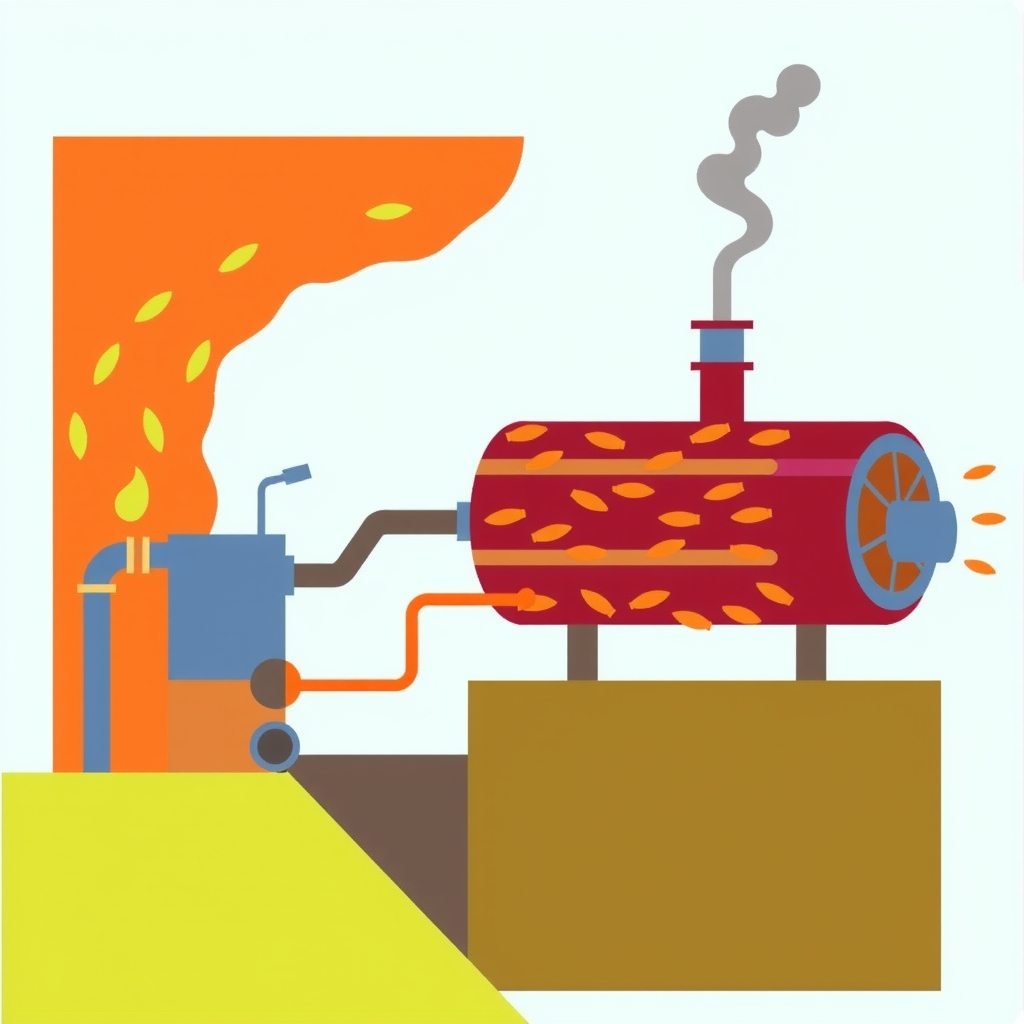
Xử lý khí thải bằng phương pháp thiêu đốt utilizes high temperatures to effectively reduce pollutant concentrations before emissions. This powerful method directly treats large volumes of exhaust gases within a combustion chamber. We explore the fundamentals and advanced applications of this crucial environmental technology, demonstrating its role in achieving cleaner air for industries and communities.
What is Incineration for Waste Gas Treatment?
Incineration for waste gas treatment involves using extreme heat to transform harmful airborne contaminants. This process lowers the concentration of pollutants to safe levels before release into the environment. When exposed to high temperatures, dangerous substances and compounds combust or change into simpler forms, rendering them harmless to human health, the environment, and ecosystems. This method offers a direct solution for a substantial volume of waste gas.
The outcome of xử lý khí thải bằng phương pháp thiêu đốt ensures treated exhaust gases meet environmental standards, preventing pollution. Some organic gases might remain visible after treatment, yet they react with atmospheric mist and do not impair visibility for traffic, cause environmental damage, or contribute to acid rain. This method for xử lý khí thải bằng phương pháp thiêu đốt gains preference due to its capacity to thoroughly break down and eliminate toxic components from exhaust streams.
Xem thêm: Phân loại & Xử lý nước thải công nghiệp: Hướng dẫn quản lý hiệu quả
Operating Principles of the Incineration Method
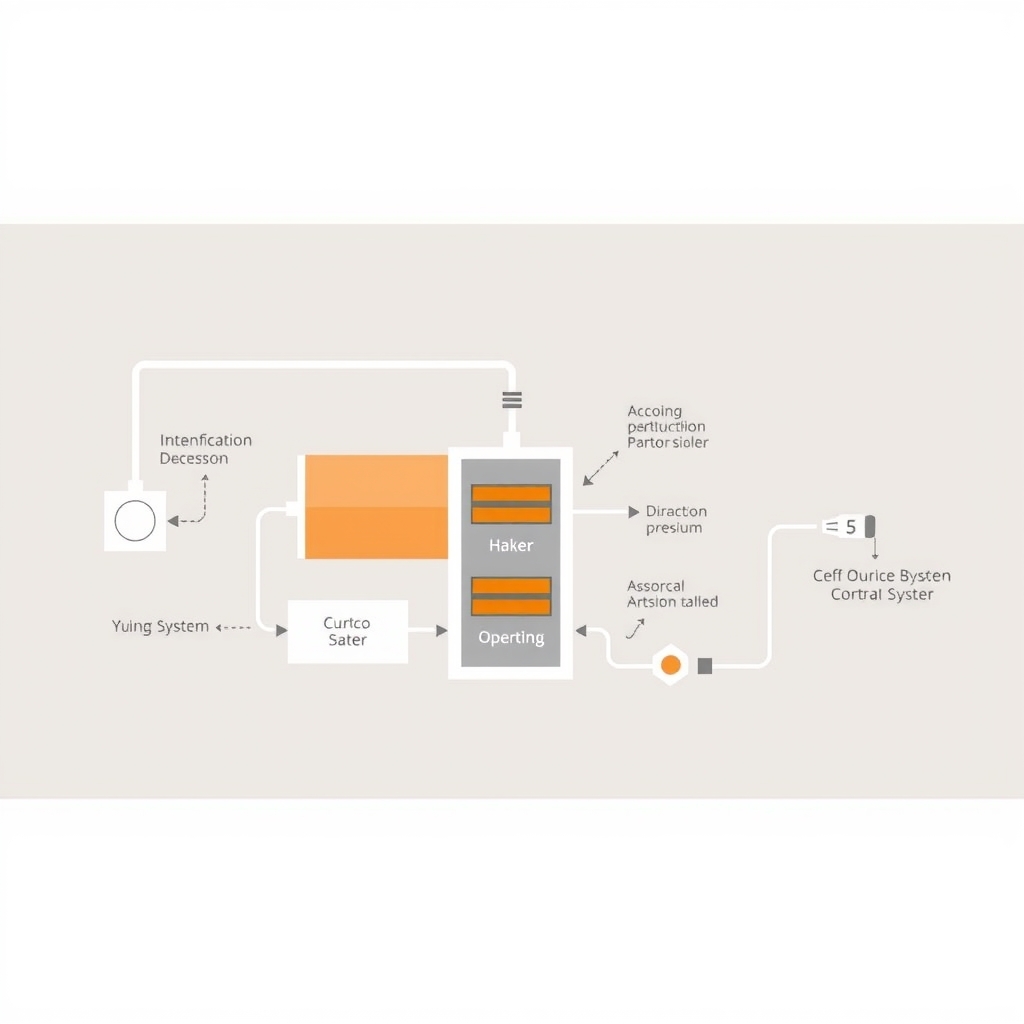
The xử lý khí thải bằng phương pháp thiêu đốt occurs through two core stages. First, hazardous waste undergoes drying to evaporate residual water, preparing it for combustion. The subsequent stage involves actual combustion within a specialized chamber, sustained at a specific temperature for a set duration.
During the combustion of hazardous waste, pollutants convert into gaseous forms, with most undergoing destruction. Any remaining gases then proceed to a second combustion chamber. Here, these gases pass through air pollution control systems designed to remove all elements harmful to the environment. This structured approach ensures thorough pollutant reduction.
Xem thêm: Hóa Chất Xử Lý Bể Phốt: Giải Pháp Hiệu Quả Duy Trì Hệ Thống Thoát Nước
Managing Secondary Waste from Incineration
While xử lý khí thải bằng phương pháp thiêu đốt effectively neutralizes hazardous waste, it generates secondary waste requiring careful management. Incinerators are equipped with filtration systems designed to purify residual gases. This measure mitigates the environmental impact of combusted hazardous materials.
These systems must control particulate matter, gases such as nitrogen oxides (NOx), sulfur oxides (SOx), and carbon monoxide (CO), as well as smoke. Various strategies exist for particulate control, including wet scrubbers, fabric filters, and electrostatic precipitators.
- Wet scrubbers capture between 90 to 98 percent of pollutants, dissolving substances like hydrogen chloride, sulfur dioxide, and ammonia in water.
- Fabric filters remove 99 percent of ultrafine particles as exhaust gases pass through a series of filtering media.
- Electrostatic precipitators remove 99% of pollutants by electrically charging particles negatively, then drawing them to positively charged plates.
Advantages of Waste Gas Incineration
The xử lý khí thải bằng phương pháp thiêu đốt offers significant benefits for environmental quality and public health:
- Cost-Effective: This method involves lower investment and operational expenses, conserving financial resources for organizations that implement it.
- Effective Hazardous Waste Removal: It effectively removes hazardous substances from exhaust streams.
- Complete Decomposition: The process ensures thorough decomposition of pollutants.
- Efficient Pollution Treatment: It delivers high efficiency in treating various airborne pollutants.
- Heat Utilization: The method recovers and utilizes waste heat generated during combustion, contributing to energy savings.
- Environmental and Health Safety: Post-treatment, the exhaust gases become safer, posing no threat to the environment or human health.
- Flexible Equipment: Combustion equipment adjusts to varying pollutant concentrations and gas flow rates.
- Preserves Equipment Functionality: The method maintains the operational integrity of processing equipment.
Common Types of Incinerators for Waste Gas Treatment
The market offers three widely used types of incinerators for effective xử lý khí thải bằng phương pháp thiêu đốt:
Large Capacity Incinerators
These systems feature a low-pressure Venturi device, an exhaust fan, a packed tower, a pump, an air valve system, and a recirculation tank.
- Operational Mechanism: The process begins in the secondary air valve chamber, where waste gas enters the Venturi device. Here, the gas undergoes dust filtration and temperature reduction. Subsequently, water and gas move through the packed tower, which contains spray nozzles, ceramic packing, and additional sprayers. The packing material reduces temperature and removes dust and specific gases, such as SO2. A portion of the water and dust flows into a settling tank, ensuring full absorption of pollutants. Clean air then exits through a chimney propelled by a fan.
Medium Capacity Incinerators
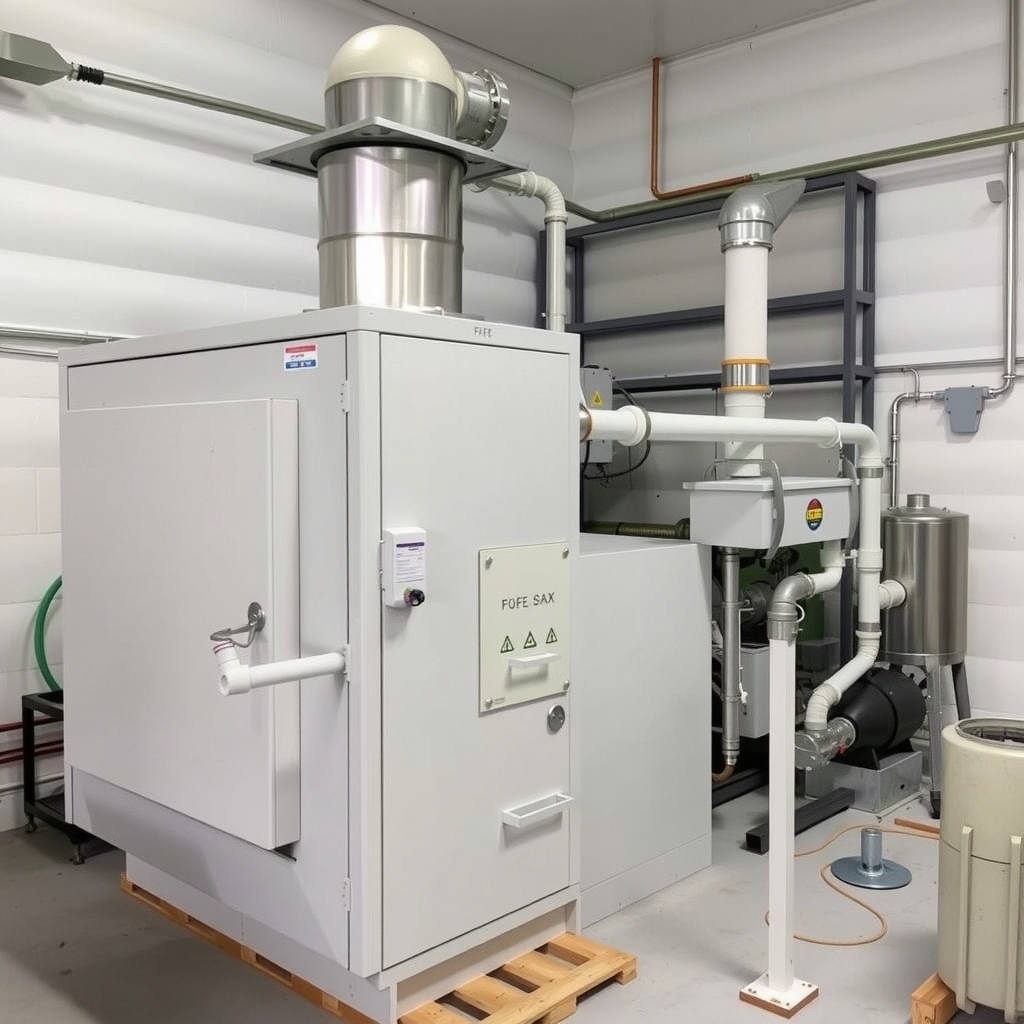
A medium capacity incinerator is a static type of furnace. Its combustion chamber typically operates at temperatures exceeding 1,000 degrees Celsius, with a gas retention time of 1 to 2 seconds. This incinerator suits medium-scale applications requiring high temperatures to break down waste and pollutants in exhaust gases.
Xem thêm: Phương Pháp Tổ Chức HĐ Trải Nghiệm Sáng Tạo: Phát Triển Năng Lực Học Sinh
Small Capacity Incinerators
Small capacity incinerators also operate at temperatures above 1,000 degrees Celsius, with gas retention lasting approximately 1 to 2 seconds. The structure incorporates:
-
Dust Filters: These use either bag filters or electrostatic precipitators to eliminate particulate matter from exhaust gases.
-
Toxic Gas Filters (SO2, HCl): Lime powder and activated carbon purify gases like sulfur dioxide (SO2) and hydrogen chloride (HCl).
-
Operational Mechanism:
- Substance Mixing: Within the incinerator, substances mix to facilitate the treatment process.
- Dust Filtration: Exhaust gases pass through dust filters to remove airborne particles.
- Toxic Gas Adsorption: Lime adsorbs toxic gases such as SO2 and HCl, while activated carbon removes acid fumes, dioxins, and furans.
Small capacity incinerators also integrate temperature sensors and concentration monitors for various gas parameters. This monitoring ensures the treatment process performs effectively and adheres to environmental standards.
We at Môi Trường Đông Nam Bộ commit to providing outstanding environmental solutions. Our expertise lies in advising, designing, fabricating, and supplying compliant waste gas treatment systems at competitive costs. Our team of highly skilled environmental engineers brings years of experience, standing ready to provide optimal solutions tailored for waste gas treatment, dust filtration, and other specific industrial production requirements.
If your organization seeks comprehensive waste gas treatment systems, or specifically targets xử lý khí thải bằng phương pháp thiêu đốt, reach Môi Trường Đông Nam Bộ today at hotline 0923 392 868. We stand ready to provide guidance and cost estimates without delay. Learn more about our commitment to a cleaner environment at https://moitruongdongnambo.com/.
Để lại một bình luận