Xử lý khí thải lò đốt rác presents a critical challenge for environmental sustainability. At Môi Trường Đông Nam Bộ, we understand the absolute necessity of transforming hazardous incinerator emissions into clean air. Our commitment protects both our planet and community health.
What are Waste Incinerators? Why Waste Incinerator Flue Gas Treatment is Essential
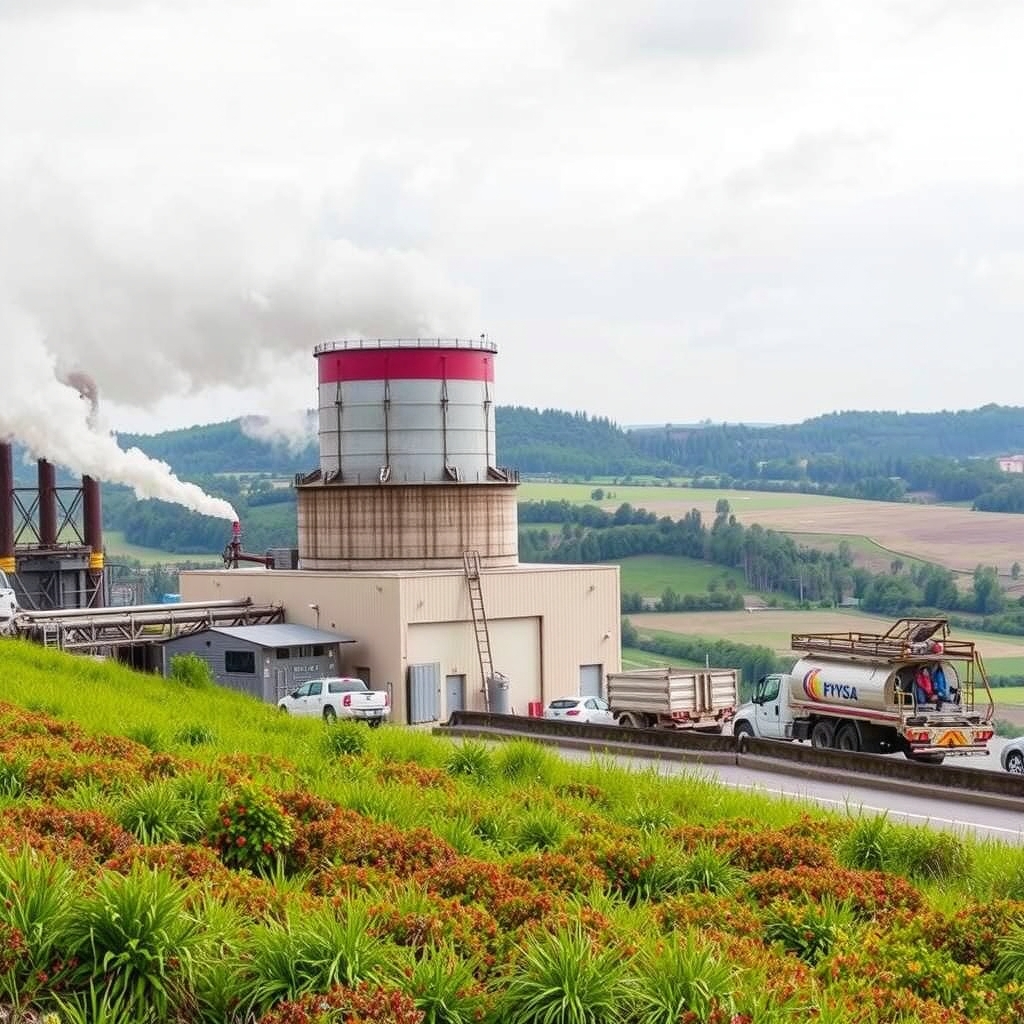
A waste incinerator serves as a facility for processing diverse waste streams, spanning from household refuse to industrial waste. Modern life generates increasing volumes of waste daily. Consequently, incinerators operate at high capacities to manage gathered refuse. This vital process, while reducing waste volume, releases complex emissions. Therefore, Xử lý khí thải lò đốt rác stands as a paramount step, mitigating environmental impact before discharge.
Xem thêm: Cơ sở vật chất hiện đại: Nền tảng trường học an toàn, phát triển toàn diện
Characteristics of Waste Incinerator Flue Gas
Incineration is a common method for waste treatment. This process produces significant amounts of air pollution if left untreated. Flue gas from waste incinerators holds distinct characteristics:
- Complex and Toxic Composition: Waste contains various materials. Burning them creates many harmful gases. These primarily involve carbon dioxide (CO2), sulfur dioxide (SO2), various organic gases, heavy metals, dioxins, and furans. Accurately measuring the proportion of each substance proves difficult due to the varied input.
- High Temperature: These gases originate from combustion processes reaching temperatures up to 1000°C. They retain high temperatures upon leaving the combustion chamber.
- Strong, Unpleasant Odor: The gases carry a distinctly offensive odor.
- Visible Pollutants: Often visible to the naked eye as opaque, gray, or black plumes.
Hazards from Waste Incinerator Flue Gas
With these characteristics, incinerator flue gas significantly harms the environment, ecosystems, and human well-being. Discharging untreated flue gas directly into the atmosphere brings severe consequences:
- Environmental Pollution and Ecosystem Imbalance: It pollutes the surrounding environment, disrupting local ecosystems.
- Regional Impact: Surrounding areas face direct adverse effects.
- Impact on Flora: Nearby plants suffer, potentially mutating or failing to thrive.
- Ozone Layer Depletion: It severely impacts the ozone layer, causing thinning.
- Human Health Risks: Direct exposure causes numerous serious health issues for individuals.
Xem thêm: Hệ thống Xử lý Nước thải Trạm Y tế: Giải pháp Bền vững, Bảo vệ Cộng đồng
Process for Waste Incinerator Flue Gas Treatment
To limit hazardous emissions from incinerators, we require a robust treatment strategy. Present technology offers effective methods to ensure discharged gases pose minimal harm.
For treated incinerator flue gas to meet emission standards, a specific process unfolds. Gas exiting the incinerator typically reaches around 600°C and contains substantial dust and toxic gases.
- Gas Cooling: We first reduce the gas temperature to facilitate subsequent processing.
- Particulate and Acid Gas Removal (Wet Scrubber): The cooled gas then enters a wet scrubbing system. This stage achieves 70-80% dust removal efficiency. It also removes some SO2, NO, and NO2.
- NOx Reduction (DeNOx System): Gas containing nitrogen oxides (NOx) moves to a reduction unit. This unit includes ammonia (NH3) as a reducing agent and a vanadium pentoxide (V2O5) catalyst. The reaction converts NOx into nitrogen and water.
- Acid Gas and Organic Pollutant Absorption: Remaining gases, containing dust, SO2, CO2, furans, dioxins, proceed to an absorption stage. The primary absorbent is lime, which removes acid gases. We also use activated carbon to capture furans and dioxins.
- Sludge Management and Clean Gas Discharge: This process generates gypsum sludge. The sludge flows to the bottom of the tower and operators periodically remove it. The clean gas, having completed treatment, vents through a stack. Wastewater from the filtration process is recirculated.
Features of a Waste Incinerator Flue Gas Treatment System
Our systems for Xử lý khí thải lò đốt rác possess distinctive attributes:
- High Dust Separation: They effectively separate nearly all particulate matter within the flue gas.
- Integrated Cooling: A cooling system is integral before dust and gas treatment.
- Compliance with Standards: Treated flue gas consistently meets designated emission standards.
- Comprehensive Absorption: The systems absorb most harmful substances, transforming them into safer compounds.
- Cost Efficiency: They offer low investment and operational expenditures.
- Accessible Materials: We utilize readily available and low-cost materials.
Xem thêm: Xử lý khí thải lò đốt rác y tế: Giải pháp hiệu quả với lọc tĩnh điện ướt Dr.Air
Effective Methods for Waste Incinerator Flue Gas Treatment
Môi Trường Đông Nam Bộ provides tailored solutions for various incinerator capacities. Our approach to Xử lý khí thải lò đốt rác considers the scale of operation.
Treatment for Small Capacity Incinerators
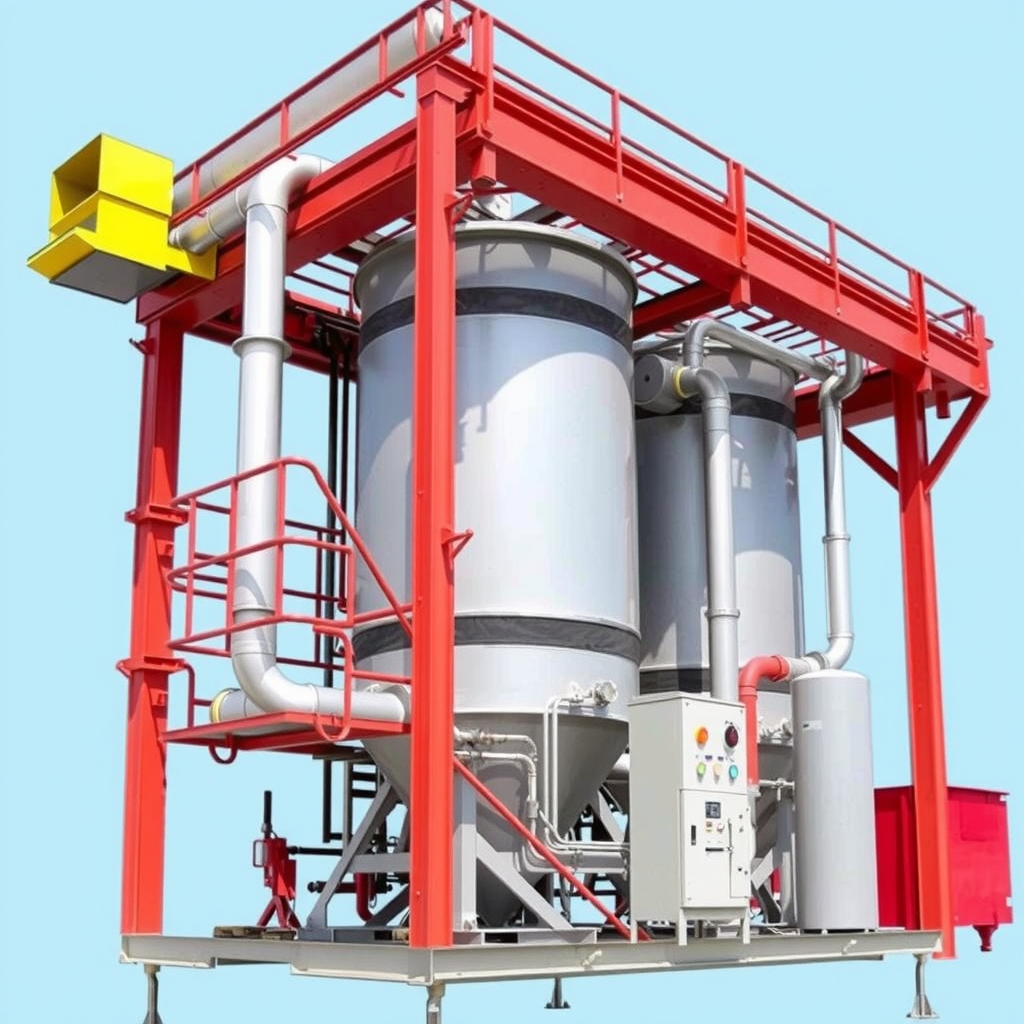
For incinerators processing approximately 300 kg of waste per day, a system comprising a low-pressure venturi scrubber, a packed tower, a smoke fan, a pump, a recirculation tank, and a damper system offers a suitable solution.
- Principle: Smoke from the secondary combustion chamber passes through a damper into the venturi scrubber. Here, dust filtration occurs, and the flue gas temperature drops. Water and flue gas then transfer from the venturi to a packed tower for further processing. Within the packed tower, some water and dust settle into a collection tank. The remaining flue gas flows upwards through a packing layer.
- Components: The packed tower includes ceramic ring packing, water spray nozzles, and a mist eliminator. These components filter remaining dust and absorb gases such as SO2 and HCl. Pollutants are absorbed by water and drain to the collection tank. Clean air, after treatment, passes through a fan into a stack and disperses into the atmosphere.
- Advantages: This waste incinerator flue gas treatment equipment integrates directly with existing incinerator systems, requiring no structural changes. This makes it widely applicable for local waste treatment. Specific chemicals can supplement the system when certain emissions require targeted removal.
Treatment for Medium Capacity Incinerators
For incinerators processing 300 to 1000 kg of waste daily, static bed designs with multiple combustion chambers prove effective. These typically achieve combustion temperatures exceeding 1000°C. The flue gas treatment system’s operating principles mirror those for larger capacity incinerators, focusing on comprehensive pollutant removal.
Treatment for Large Capacity Incinerators
Incinerators handling over 1000 kg of waste daily, with average combustion temperatures exceeding 1000°C and gas retention times of 1-2 seconds, demand more sophisticated treatment. The basic systems mentioned previously cannot adequately treat emissions from this scale.
Therefore, achieving optimal effectiveness for Xử lý khí thải lò đốt rác at this scale requires a comprehensive, mechanized, or automated design. This includes synchronization from waste collection areas, the incinerator, treatment equipment, ash removal sections, and a central control room.
- Key Components: Our large-scale systems incorporate essential elements:
- Dust Filtration: We use dry filters, such as fabric baghouses or electrostatic precipitators (ESPs).
- Toxic Gas Removal: For gases like SO2 and HCl, we inject lime powder and activated carbon directly into a mixing chamber. The filtration system then collects these reactants, allowing for efficient pollutant capture and potential recirculation.
- Monitoring: These systems also include temperature and gas concentration sensors for specific emissions, such as carbon monoxide (CO). This monitors treated gas quality and ensures the incinerator’s combustion efficiency.
Môi Trường Đông Nam Bộ stands ready to consult on and install waste incinerator flue gas treatment systems, ventilation and cooling systems, and dust collection and filtration systems. Our brand manufactures industrial fans and delivers highly effective solutions for environmental control. Contact us directly for immediate assistance.
At Môi Trường Đông Nam Bộ, we are dedicated to providing superior solutions for Xử lý khí thải lò đốt rác. We invite you to contact us for specific inquiries or explore more environmental solutions at https://moitruongdongnambo.com/.
Để lại một bình luận