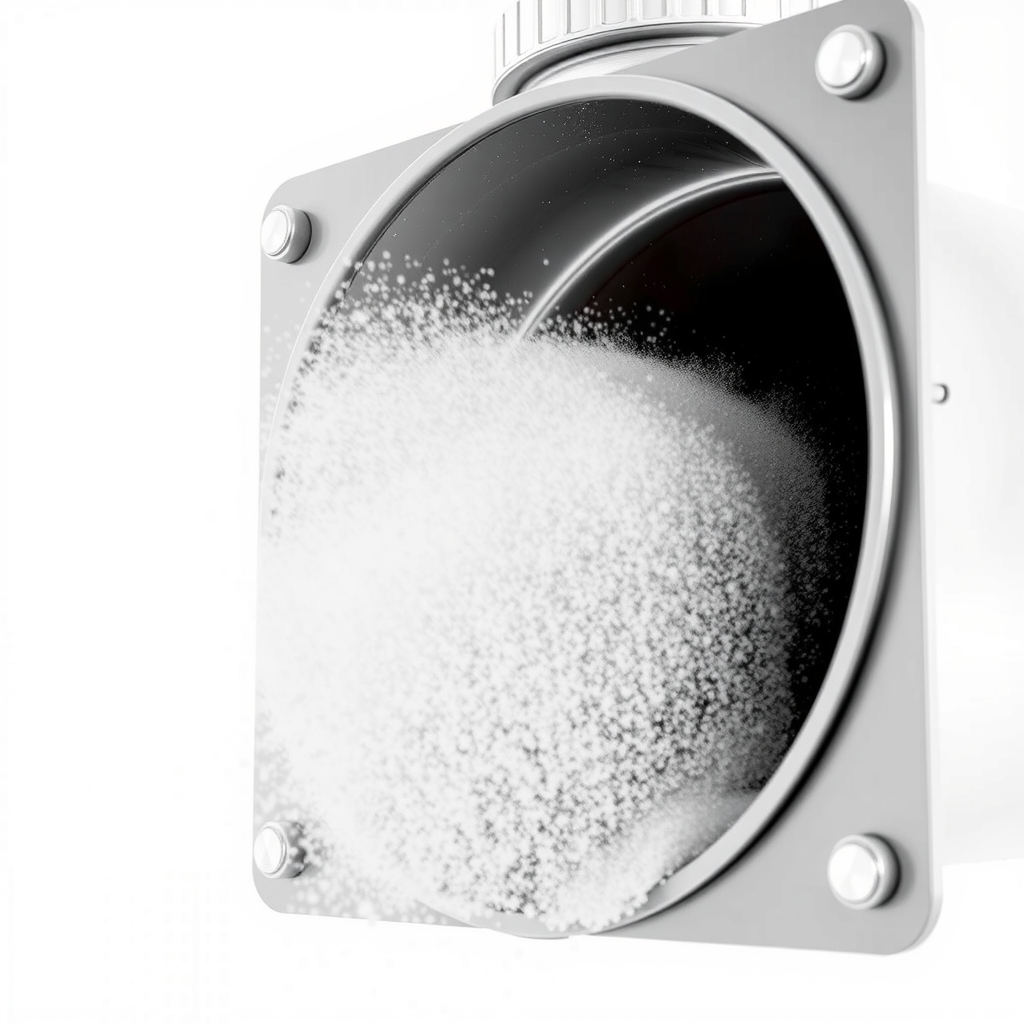
Tính toán thiết kế hệ thống xử lý khí thải is a critical process for safeguarding our environment and public health. We at Môi Trường Đông Nam Bộ understand the complexities involved in creating effective solutions. This article outlines the essential steps and considerations for developing robust exhaust gas treatment systems.
What is an Exhaust Gas Treatment System?
An exhaust gas treatment system is a specialized setup designed to remove or reduce harmful pollutants from industrial and other exhaust streams before they are released into the atmosphere. This commitment protects natural ecosystems, complies with environmental regulations, and ensures the well-being of surrounding communities. Pollutants often include particulate matter, sulfur dioxide (SO2), nitrogen oxides (NOx), volatile organic compounds (VOCs), and heavy metals.
Key Components of an Exhaust Gas Treatment System
Effective exhaust gas treatment relies on a combination of technologies, each targeting specific types of pollutants. Understanding these components helps us tính toán thiết kế hệ thống xử lý khí thải precisely for varied applications.
- Incinerators (Buồng đốt): These units combust organic pollutants at high temperatures, converting them into less harmful substances like carbon dioxide and water vapor. They are particularly effective for VOCs and odorous compounds.
- Dust Filters (Bộ lọc bụi): Essential for removing solid particulate matter from the gas stream. Common types include bag filters (fabric filters), which use woven or felted materials, and electrostatic precipitators (ESPs), which use electric fields to charge and collect particles.
- Absorption Systems (Hệ thống hấp thụ): These systems use liquid absorbents to capture gaseous pollutants. For instance, scrubbers can remove SO2 and acid gases by reacting them with a alkaline solution.
- Catalytic Systems (Hệ thống xúc tác): Catalytic converters employ catalysts to accelerate chemical reactions that convert toxic gases (like NOx and CO) into less harmful compounds (like N2 and CO2) at lower temperatures. This method is highly efficient for specific gas conversions.
- Adsorption Systems (Hệ thống hấp phụ): Utilizing solid adsorbents like activated carbon, these systems capture gaseous pollutants by physical or chemical attraction to the adsorbent’s surface. They excel at removing VOCs and odors.
Xem thêm: Boiler Exhaust Gas Treatment: Necessity, Modern Systems & Solutions
Detailed Steps to Calculate and Design an Exhaust Gas Treatment System
Successful tính toán thiết kế hệ thống xử lý khí thải follows a structured approach, ensuring efficiency, compliance, and cost-effectiveness.
Determining Exhaust Gas Flow Rate
The initial step involves quantifying the volume of exhaust gas produced by the source. This is often measured in cubic meters per hour (m³/h) or cubic feet per minute (CFM). Accurate measurement is fundamental, as it dictates the size and capacity of every subsequent treatment component. We typically use direct measurements with flow meters or calculate based on process input/output parameters.
Analyzing Pollutant Composition and Concentration
Once the flow rate is known, we analyze the specific pollutants present in the exhaust gas and their concentrations. This involves:
- Sampling: Collecting representative samples of the exhaust gas.
- Laboratory Analysis: Using specialized equipment to identify and quantify substances like SO2, NOx, CO, VOCs, and particulate matter.
- Data Interpretation: Understanding the variations in pollutant levels under different operating conditions.
This data is crucial for selecting the most effective treatment technology.
Selecting the Appropriate Treatment Method
The choice of treatment method is directly informed by the pollutant analysis and desired removal efficiency.
- For particulate matter, bag filters or electrostatic precipitators are common.
- For acid gases (SO2, HCl), wet scrubbers with alkaline solutions are often chosen.
- For NOx, selective catalytic reduction (SCR) or selective non-catalytic reduction (SNCR) are effective.
- For VOCs and odors, thermal oxidizers, catalytic oxidizers, or activated carbon adsorbers might be suitable.
We consider factors such as gas temperature, moisture content, space availability, and regulatory requirements when making this selection.
Xem thêm: Công Nghệ Xử Lý Nước Thải Dệt Nhuộm: Giải Pháp Bền Vững, Bảo Vệ Môi Trường
Calculating System Parameters
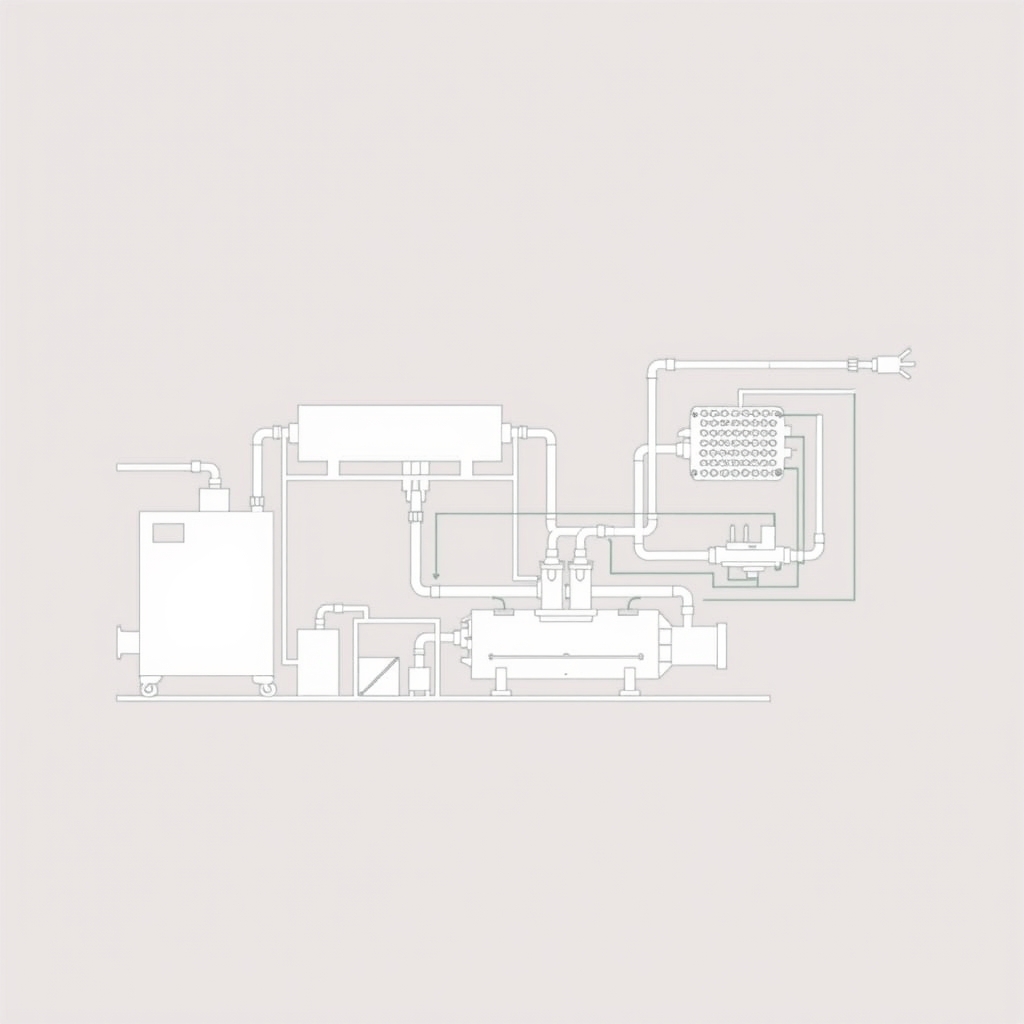
With the method selected, we proceed to calculate detailed system parameters. This phase is central to the precise tính toán thiết kế hệ thống xử lý khí thải.
- Absorption Surface Area: For absorption systems, this determines the required contact area between the gas and liquid phases for efficient pollutant transfer.
- Absorbent Flow Rate: The amount of liquid absorbent needed to react with and remove the pollutants effectively.
- Gas Residence Time: The duration the exhaust gas stays within the treatment unit, allowing sufficient time for reactions or separation to occur.
- Operating Temperature and Pressure: These parameters affect reaction kinetics, material selection, and energy consumption.
- Fan/Blower Sizing: Determining the capacity needed to move the exhaust gas through the system, overcoming pressure drops.
- Material Selection: Choosing materials resistant to corrosion and high temperatures, suitable for the specific chemical environment.
Designing and Verifying the System
The final design phase integrates all calculations into a comprehensive plan. This includes:
- Layout Drawings: Detailing the placement of components, ductwork, and utility connections.
- Engineering Specifications: Providing detailed requirements for fabrication, installation, and control systems.
- Performance Simulation: Using modeling tools to predict system performance under various conditions.
- Regulatory Compliance Review: Ensuring the design meets all local and national emission standards.
- Testing and Commissioning: After installation, the system undergoes rigorous testing to verify its performance and make any necessary adjustments for optimal operation.

Xem thêm: Hệ thống Xử lý Nước Thải Phòng Khám: Công nghệ AAO-MBR & Tuân thủ Y tế
Practical Example: Calculating an SO2 Treatment System
Let’s illustrate the tính toán thiết kế hệ thống xử lý khí thải with a common scenario: SO2 removal.
- Step 1: Exhaust Gas Flow Rate: Suppose the source generates 1,000 m³/h of exhaust gas.
- Step 2: SO2 Concentration: Analysis shows an SO2 concentration of 2,000 ppm (parts per million).
- Step 3: Treatment Method: We select a wet scrubber using a calcium hydroxide (Ca(OH)2) solution due to its effectiveness and cost.
- Step 4: Parameter Calculation: We calculate the required Ca(OH)2 consumption based on the SO2 mass flow and reaction stoichiometry. We then determine the scrubber dimensions (e.g., diameter, height, packing material volume) to achieve the target SO2 removal efficiency, considering gas-liquid contact time and pressure drop. We also size the circulation pump for the Ca(OH)2 slurry.
- Step 5: Design and Verification: We finalize the design for the packed bed scrubber, including slurry preparation and recirculation systems. Post-installation, performance tests confirm SO2 emissions are below regulatory limits.
Why Professional Design Matters for Your Business
Accurate tính toán thiết kế hệ thống xử lý khí thải is not just about compliance; it’s an investment in your business’s future. For restaurants, hotels, residential areas, industrial zones, livestock farms, and aquaculture facilities, a poorly designed system can lead to:
- Non-compliance penalties: Fines and operational shutdowns.
- Inefficient operation: Higher energy consumption and chemical usage.
- Premature equipment failure: Increased maintenance and replacement costs.
- Negative public perception: Damaged brand reputation.
We provide comprehensive environmental solutions, ensuring your exhaust gas treatment system is not only compliant but also optimized for performance, longevity, and operational cost efficiency. Our expertise helps businesses avoid common pitfalls and achieve sustainable environmental management. We offer solutions tailored to your unique operational context, safeguarding your investment and the environment.
We understand the specific challenges faced by various sectors and tailor our services accordingly. From initial assessment and design to installation and maintenance, our commitment supports your operational continuity and environmental stewardship.
Proper tính toán thiết kế hệ thống xử lý khí thải is essential for effective environmental protection. This process ensures systems are optimally sized and configured. For expert advice and comprehensive environmental solutions tailored to your specific needs, please visit us at https://moitruongdongnambo.com/.
Để lại một bình luận